
Emotional Design in Banking: Creating Trust, Engagement and Meaningful Financial Experiences
Emotional design in banking is the intentional design of financial experiences that influence how customers feel, not only how efficiently they complete tasks. It combines usability, behavioral psychology, brand expression, communication and interaction design to reduce anxiety, strengthen trust, motivate progress and create more meaningful relationships between customers and financial institutions.
What Is Emotional Design in Banking?
Emotional design in banking considers the customer’s emotional state, motivations and behavioral responses alongside functional needs, helping financial institutions create experiences that feel clear, reassuring, rewarding and human during everyday and important financial moments.
Why Are Emotions Important in Financial UX?
Financial decisions naturally involve strong emotions because spending can create guilt, investing uncertainty, borrowing anxiety and saving requires sustained motivation, making clarity, reassurance, control and positive reinforcement essential parts of effective financial UX.
What Is Dopamine Banking?
Dopamine Banking is UXDA’s approach to creating positive emotional reinforcement through progress, achievement, feedback, personalization and meaningful moments of delight that help customers feel greater motivation, confidence and control without relying on superficial gamification or addictive interaction.
How Can Emotional Design Build Trust in Banking?
Emotional design strengthens trust by making customers feel supported, informed and in control, particularly during financially significant moments when transparent communication, reassuring feedback and responsible service behavior can directly influence emotional confidence in the institution.
How Does Emotional Design Strengthen Digital Brand Identity?
Emotional design strengthens Digital Brand Identity by expressing the bank’s personality through tone of voice, motion, microinteractions, feedback, personalization and service behavior, turning brand character into something customers experience rather than simply see.
How Does Emotional Design Support Purpose-Driven Banking?
For Purpose-Driven Banking, emotional design translates abstract promises such as financial wellbeing, empowerment or sustainability into supportive interactions, meaningful guidance and experiences that help customers feel the bank’s purpose through their own financial progress.
How Can Emotional Design Improve Customer Engagement?
Carefully designed progress, feedback, recognition, personalization and positive reinforcement can make financial experiences more motivating and meaningful, encouraging customers to engage with services, develop better financial behaviors and maintain progress toward their goals.
How Does Emotional Design Create Competitive Advantage?
As banking products, features and technologies become increasingly similar, emotional design can strengthen engagement, trust, brand attachment, adoption and differentiation by creating distinctive experiences and emotional relationships that are harder for competitors to replicate than individual features.
Explore UXDA insights on emotional design in banking, emotional UX, Dopamine Banking, Digital Brand Identity, Purpose-Driven Banking, behavioral design, banking customer experience, trust and financial UX.



11 Years of UXDA: Entering a New Decade of Transformation
This year, UXDA turned 11. But this was never just about a birthday—it marked a transition. Our first decade was about building the foundation: values, character, courage, quality, and reputation, growing step by step from a bold vision into a company shaping the future of financial services.
13 Best Lessons from Leading Tech Brands for Financial Service UX Design
Imagine the ease of one-click Amazon buys or Netflix’s perfect picks—these UX breakthroughs power billion-dollar brands. Discover 13 lessons from tech giants and how to apply them in finance.


Dark Patterns in Banking UX and the Erosion of Financial Brand Trust
Could a banking app exploit user behavior to boost profits? As apps become the main financial gateway, the line between empowerment and manipulation is increasingly blurred. Are some financial services using dark patterns to lock users in?
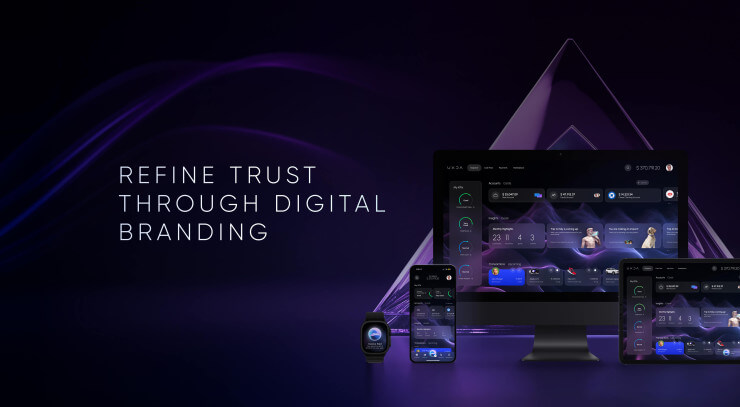

Digital Experience Governance in Banking: How Consistency Rebuilds Customer Trust
As financial services become increasingly sophisticated, customers demand not only security but transparency and reliability—making trust the ultimate driver of success and resilience.



HSBC's $150M Failure of Zing: UX Lessons from a Banking App Collapse
Despite a significant investment of $150 million in its development, Zing failed within a year. And although the product didn't take off, those huge investments won't be wasted if the industry analyzes this case and learns from it properly.

Emotional Design in Banking: How Feelings Shape Trust, Decisions and Loyalty
Successful banking apps like Revolut and Cash App thrive by creating sexy user experiences that go beyond basic functionality. In this article, we explore why injecting "sex appeal" into your financial product is the key to making it a market leader.

Fifteen Core Design Concepts Every Financial Product Leader Should Know
These principles enhance user experience, ensure products are efficient and engaging and align with business goals. By applying these design concepts, financial product owners can create user-friendly, intuitive, next-gen digital services that empathize with users, organize content logically and design accessible, visually appealing interactions.
Why Banking Apps Confuse Customers: Information Architecture and Cognitive Load
When banking executives face costly digital transformation, they often wonder why customers complain about their "intuitive" services. The real issue isn't the users but the complex and unintuitive interfaces they navigate.

How Technology-Led Banking Innovation Increases Customer Friction and Cost
Modern banking executives must innovate effectively in a rapidly evolving digital landscape. While drawn to AI, blockchain, cloud infrastructure, and open banking APIs, they often overlook user experience (UX). This article explores how a user-driven approach to innovation can ensure financial brands' survival and success in the digital age.

What Digital Excellence Requires in Financial Services Beyond Good UX
This article delves into the tension between the urgent need for next-gen, customer-centered financial products and the significant hurdles financial brands must overcome to deliver them and achieve digital excellence.
Psychology Meets Finance: Ten Laws Shaping Fintech and Banking Apps Design
Let's explore the psychology of financial and banking product users by looking into their minds, behaviours and main aspects of why certain products are disliked while others are desired.
- 1
- …
- 3


