
Banking Trends: AI, Digital Transformation, Customer Experience and Future Banking
Banking trends are the major technological, behavioral and business shifts changing how banks operate, compete and serve customers, including AI, digital banking, automation, personalization, open finance and new customer experience models. The most important banking trends increasingly converge around one challenge: how financial institutions turn rapidly advancing technology into trusted, differentiated and valuable customer experiences.
What Are the Most Important Banking Trends?
Major banking trends include AI in banking, agentic banking, digital transformation, automation, personalization, open banking, mobile banking, embedded finance and new customer experience models, all of which are reshaping how financial institutions operate and compete.
How Is AI Changing the Banking Industry?
AI is transforming banking through intelligent automation, personalized financial assistance, predictive insights, conversational banking and increasingly autonomous services, allowing banks to make customer experiences more proactive, contextual and efficient.
How Are Customer Expectations Shaping Banking Trends?
Customers increasingly expect speed, simplicity, personalization, transparency and seamless digital service, pushing banks to rethink products, journeys and operating models around customer goals rather than traditional banking structures.
What Role Does Digital Transformation Play in Future Banking?
Digital transformation enables banks to modernize technology, processes, data, operating models and customer experience, creating the foundation needed to adopt emerging technologies and respond faster to changing market expectations.
Which Banking Trends Can Create Competitive Advantage?
Technology creates sustainable advantage when banks translate it into distinctive customer value, stronger digital experiences and differentiated operating capabilities, because widely available technologies can quickly become commoditized when every institution adopts them in similar ways.
How Will Banking UX Evolve With Future Trends?
Banking UX will increasingly move beyond screen design toward AI behavior, personalization, experience governance, digital identity and cross-channel orchestration, requiring banks to design how increasingly intelligent financial services behave, communicate and build trust.
What Is the Future of Banking?
The future of banking will increasingly be shaped by AI agents, autonomous finance, intelligent automation, open ecosystems and experience-led differentiation, making the ability to combine technological innovation with trust, usability and strong UX governance critical to long-term competitiveness.
Explore UXDA insights on banking trends, banking industry trends, digital banking trends, AI in banking, banking innovation, customer experience, digital transformation, banking UX and the future of banking.

How Will AI Change Financial UX by 2035? 12 UXDA Predictions for the Future of Digital Banking
By 2035, financial UX will move beyond apps into autonomous AI, predictive finance and programmable money. This article explores how UXDA’s decade of predictions reveals the next shift in banking: from designing interfaces to designing trust, governance and human agency in increasingly intelligent financial systems.
Black Swan Risk in Banking: How Digital Strategy Can Build Resilience to AI Disruption
Discover how digitalization blindsided traditional banks, transforming customer expectations overnight. This article explores why tech shifts like mobile and AI are “Black Swan” events—and what banks must do to stay relevant in a disrupted world.
Global Digital Banking: Strategic Implications for Banks and Financial Leaders
In this article, we explore how Fintech-driven banking globalization mirrors the media industry’s transformation, what obstacles and opportunities arise when financial services become borderless and how artificial intelligence (AI) is poised to change the game even further.





The Rise of “Dopamine Banking”: How Fintechs and Neobanks Are Redefining the Customer Experience
Fintech disruptors and neobanks are transforming finance with “Dopamine Banking”—where flashy visuals, gamified challenges, and social interactivity turn every tap into a rewarding experience. This blend of emotions and entertainment is reshaping how we view financial services.
7 Digital Banking Trends of 2026 Redefining Customer Experience
In a world in which anyone can download a banking app, just being digital is no longer a differentiator. The real challenge now is building a brand's digital experience that goes beyond basic functionality—an experience that bridges the financial brand with customers’ values, emotions and long-term aspirations.
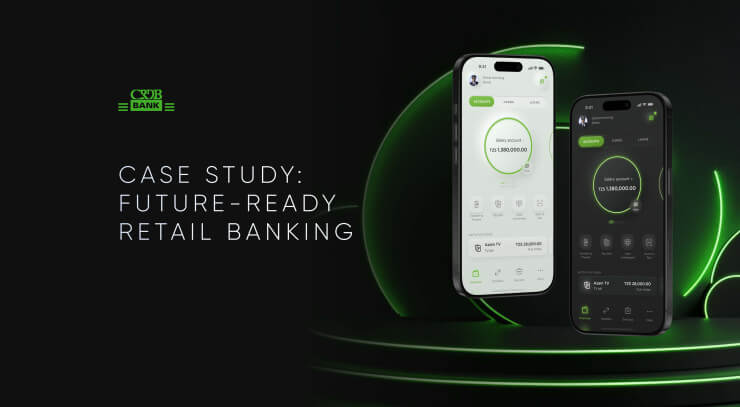

CRDB Case Study: Moving from Standard Digital Banking to a Future-Focused Brand in Africa
CRDB Bank, a leading financial institution in Tanzania, recognized the need to transform its outdated mobile app into a cutting-edge solution for the future. By partnering with UXDA, CRDB not only modernized its app but also reinforced its reputation as the bank of tomorrow.
What Digital Excellence Requires in Financial Services Beyond Good UX
This article delves into the tension between the urgent need for next-gen, customer-centered financial products and the significant hurdles financial brands must overcome to deliver them and achieve digital excellence.
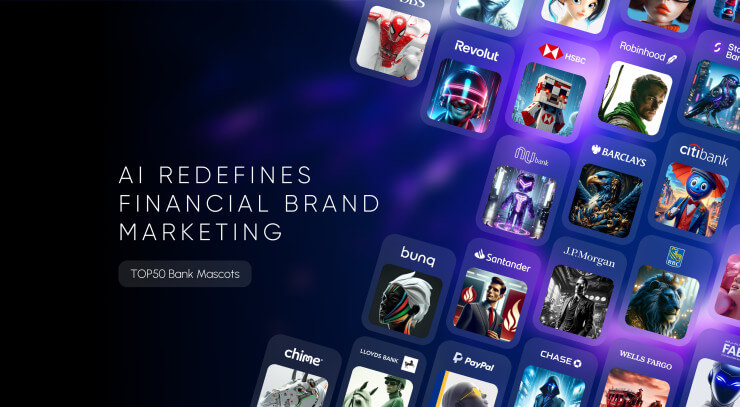



AI in Financial Social Media: How Banks Can Personify Brand Communication
There is another promising area of AI use for financial brands ─ marketing and brand communication. The UXDA team assessed the potential of humanizing financial brands using ChatGPT and Midjourney by creating digital mascots based on the mobile service interface.

Future Banking Trends: Enable Next-Gen Financial UX
Future Banking Trends include technologies such as Generative AI, the metaverse, the blockchain, embedded banking, DeFi with CBDCs, and open banking which are creating the next-gen financial UX.
Musk’s Global Bank Ambition for X: Tackling UX Challenges Head-On
Knowing Elon Musk's large-scale approach, his intention to turn X into a bank could have disruptive consequences for the banking industry. However, the conflict between the existing UX patterns of a social network and the implementation of financial functions can complicate the transformation.
- 1
- 2


