
Banking Platform UX: Turning OEM Technology Into Distinctive Banking Experiences
Banking platform UX is the customization of large-scale OEM digital banking platforms to deliver intuitive, tailor-made and distinctive customer experiences while preserving the scalability of the underlying technology. Even when banks rely on standardized digital banking technology, the UX should feel fully tailored to the institution, its customers, products, markets and strategic positioning.
What Is Banking Platform UX?
Banking platform UX is the adaptation of OEM banking software, white-label platforms and digital banking technology to reflect a bank’s specific customer needs, products, brand identity and strategic priorities without losing the scalability and efficiency of the underlying platform.
Why Should Banks Customize OEM Banking Platforms?
Using the same OEM platform does not mean banks should deliver the same experience, because strong UX customization allows each institution to translate its brand, strategy, products and customer expectations into a differentiated digital experience on top of a shared technological foundation.
What Is the Difference Between UX Customization and Reskinning?
The objective is not cosmetic customization, because changing colors, typography and logos alone cannot create meaningful differentiation, while true platform customization reshapes customer journeys, interaction logic, information architecture, content, visual language, motion and behavioral patterns across the digital ecosystem.
How Can Banking Platforms Create a Distinctive Digital Brand Identity?
A distinctive Digital Brand Identity emerges when the platform consistently expresses the bank’s character through interaction patterns, visual language, content, behavior and emotional cues, making the experience feel tailor-made and clearly differentiated even when competitors use the same underlying technology.
How Can Banks Balance Platform Scalability With Experience Differentiation?
Strong banking platform UX preserves the technical advantages of standardized technology while adapting the experience around the bank’s brand promise, customer expectations, business priorities and competitive strategy, allowing institutions to launch faster without ending up with generic, look-alike digital products.
Why Is Banking Platform UX Important for Software Providers?
For banking software providers, strong UX customization capabilities increase the strategic value of the platform by helping financial institutions achieve differentiation without rebuilding core technology, while scalable design systems and flexible experience frameworks make it easier to serve different banks, brands and markets.
How Does UXDA Customize Digital Banking Platforms?
UXDA works with banks and banking software providers to transform standardized platform technology into tailor-made, coherent and distinctive banking experiences through deep UX customization, scalable design systems and Digital Brand Identity aligned with each institution’s customers, market and competitive ambition.
Explore UXDA insights on banking platform UX, OEM banking platforms, white-label banking, digital banking software, platform customization, banking UX, design systems, Digital Brand Identity and large-scale banking transformation.





Procurement Practices as a Hidden Risk to Banking Digital Experience
Effective procurement is crucial for digital banking success. While some teams focus solely on cost, others prioritize strategic expertise and quality, leading to stronger, more impactful products. Explore the key factors that make the difference.


The Limits of White-Label Banking in Achieving Experience Excellence
White-label platforms help banks launch digital products faster, but they can also limit long-term success. With the right approach, financial institutions can balance speed with a tailored user experience that strengthens their brand and fuels growth.


UXDA Wins European Product Design Award for Hedge Fund Platform UX Design
We are proud to announce that UXDA has been recognized with the prestigious European Product Design Award 2024 (ePDA) for our groundbreaking UX design of the Magma Hedge Fund Platform in the Product User Interface Design category.

Surviving Digital Disruption Through UX-Driven Banking Innovation
As the usage of physical cash diminishes and digital consumption skyrockets, traditional banks are undergoing a seismic shift to adapt to changing customer preferences. Digital transformation is reshaping industries and consumer behaviors, and the banking sector stands at a crossroads, poised to redefine our financial experiences in unprecedented ways.

How UX Can Help Banks Navigate Digital Transformation
Why are 78% of companies failing to achieve their digitalization goals? The digital transformation in banking must consider one key thing to succeed.

UXDA Wins the Prestigious UX Design Award 2022
UXDA team's work has been awarded by the global design competition for excellent experiences - The UX Design Awards 2022.

Financial Services In The Metaverse: The Glue For A Creative Economy
The metaverse will become the next global milestone after the digital transformation in the next few decades.

Big Tech or Big Curse on the Banking Experience?
As part of global digitalization, Big Tech is using its power and resources to expand into the financial industry, but only a diversity of financial alternatives and healthy competition will ensure a customer-centric development in the financial industry.

Why Banks Without a Clear Brand Purpose Struggle to Build Customer Loyalty
How can purpose-driven banking save banks from losing millions? The main challenge is how to align banking services and products with a human-centered purpose.
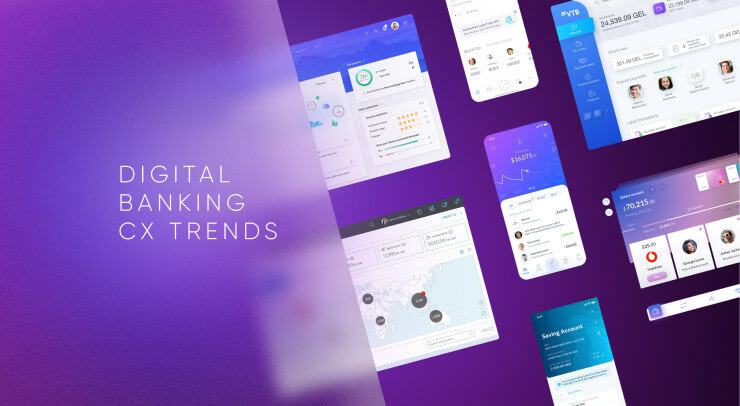
Digital Banking CX Trends: Emerging Experience Patterns Shaping Customer Expectations
What is needed to achieve a breakthrough in the post-pandemic world? Here are 10 digital banking customer experience trends to find the right strategy.
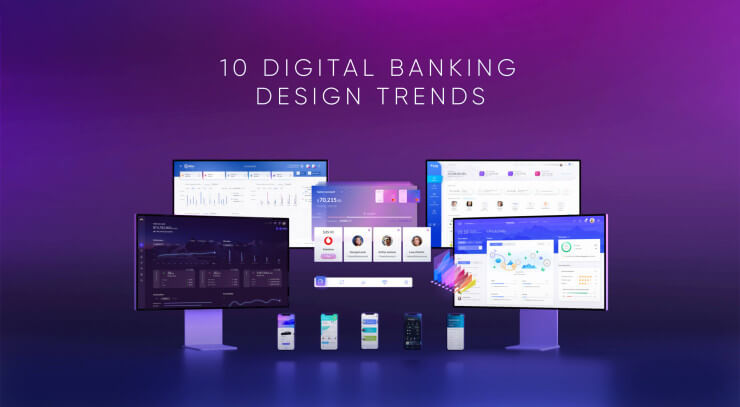

Fintech UX Design Trends: 10 Banking Innovation Ideas
The UXDA team has highlighted 10 design trends that demonstrate the evolution of digital financial products and the way financial interfaces are created and perceived by the users.
- 1
- 2


