
Design Systems in Banking: Scaling UX Quality, Brand Consistency and Digital Transformation
A design system in banking is a shared framework of reusable components, design standards, interaction patterns, principles and governance that enables financial institutions to create consistent, scalable and high-quality digital experiences across products and channels. A mature banking design system is not simply a UI component library, but shared experience infrastructure connecting UX, Digital Brand Identity, technology and product development.
What Is a Design System in Banking?
A banking design system creates a shared experience language across mobile banking, web platforms, internal systems and AI-powered channels by combining reusable components, design tokens, interaction patterns, accessibility standards, principles and governance.
How Is a Design System Different From a UI Library?
A UI library provides reusable components, while a design system defines how and why those components should be used through shared principles, interaction standards, patterns and governance that help teams create coherent experiences rather than isolated interfaces.
Why Do Banks Need Design Systems?
Large financial institutions operate across hundreds or thousands of screens, teams and platforms, making design systems essential for reducing duplication, inconsistency, unnecessary rework and fragmented product decisions while improving collaboration between designers, developers and product teams.
How Do Design Systems Support Digital Brand Identity?
A banking design system should not make every product look generic—it should operationalize a distinctive Digital Brand Identity at scale by translating visual language, interaction character, content, motion, feedback and behavioral principles into reusable foundations that keep the brand recognizable across products.
How Do Design Systems Reduce Experience Debt?
Design systems help control Experience Debt by preventing duplicate components, inconsistent interaction logic and disconnected patterns from accumulating across products, because every unnecessary exception introduces additional maintenance, development effort and experience fragmentation.
How Do Design Systems Improve Banking Efficiency?
Reusable foundations can improve speed to market, development efficiency, product consistency, accessibility and experience quality by reducing repeated design and engineering work while allowing teams to focus more resources on customer problems and strategic differentiation.
What Is the Relationship Between Design Systems and UX Governance?
Design systems standardize execution, while UX governance governs experience decisions, meaning banks need clear ownership, contribution models, quality standards and continuous governance to ensure the system evolves together with products, technology, customer expectations and brand strategy.
How Do Design Systems Support Digital Transformation?
A mature design system provides scalable infrastructure for large-scale digital transformation by helping multiple teams and platforms evolve faster while maintaining coherent UX, accessibility, technical consistency and a distinctive banking experience.
Explore UXDA insights on design systems in banking, banking design systems, financial design systems, digital banking design systems, UI component libraries, design tokens, Digital Brand Identity, DesignOps, UX governance and Experience Debt.


How to Approach a Strategic UX Partner for Complex Digital Transformation in a Bank
Partnerships with design agencies can unlock innovation for banks—but repeated “red flag” behaviors risk damaging trust. This article reveals what blacklisting really means in the design industry and why premium agencies quietly avoid difficult clients.




Impact of Banks M&A on Digital Customer Experience in Banking
Merging banks without a strong digital experience strategy risks losing 55% of customers. M&As aren’t just about growth—they’re a chance to elevate digital UX. With the right strategy, banks can modernize, align, and create seamless experiences.
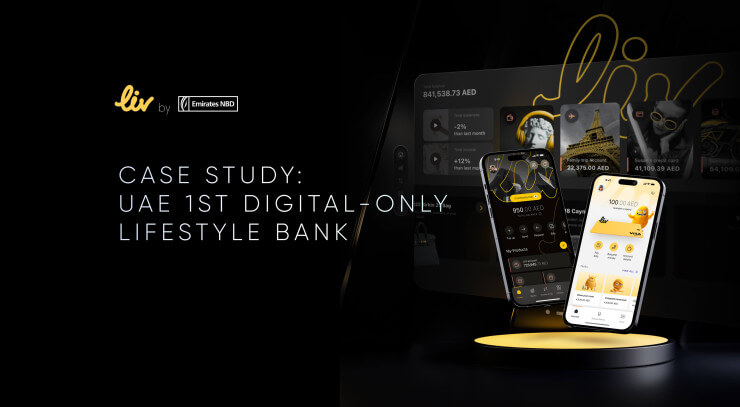


Liv Bank Case Study: Building a Distinctive Digital Brand Identity for Lifestyle Banking in MENA
Through a strategic and forward-thinking UX approach, we expanded the Liv ecosystem to three groundbreaking solutions: the Liv X app for seamless lifestyle and financial management, an immersive spatial banking experience for enriched user engagement and the Liv Lite app to empower children's financial education.
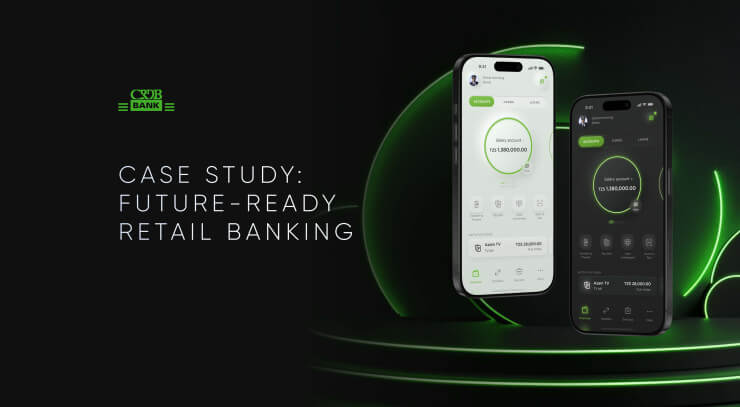

CRDB Case Study: Moving from Standard Digital Banking to a Future-Focused Brand in Africa
CRDB Bank, a leading financial institution in Tanzania, recognized the need to transform its outdated mobile app into a cutting-edge solution for the future. By partnering with UXDA, CRDB not only modernized its app but also reinforced its reputation as the bank of tomorrow.
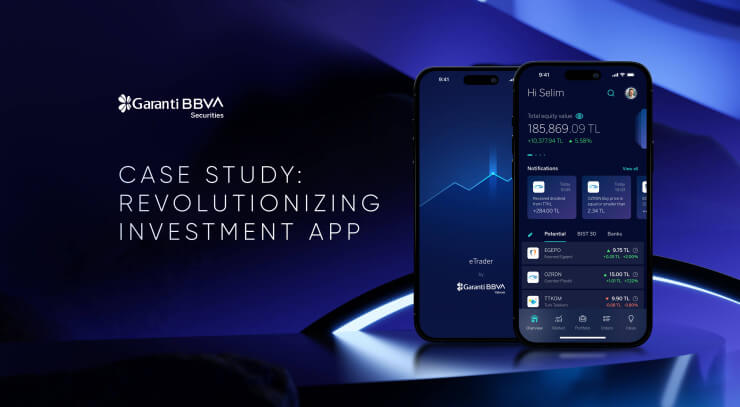
Garanti BBVA Securities Case Study: Designing a World-Class Investing Experience
Garanti BBVA Securities aimed to move beyond third-party solutions by setting a new standard for investment experience in the Turkish market. The challenge was to transform eTrader into a highly personalized, user-centered app that delivers outstanding digital experience.
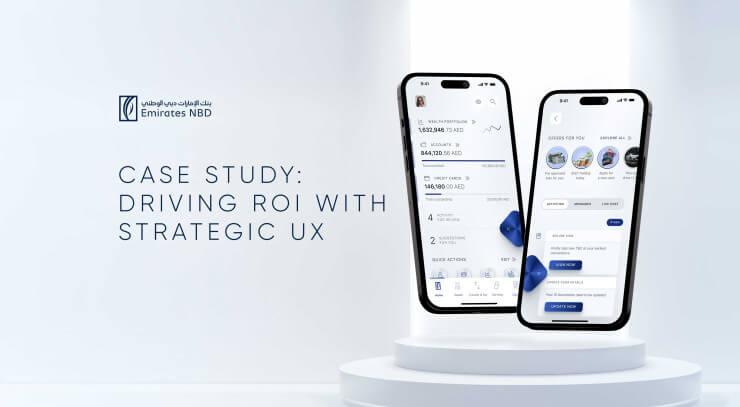
Emirates NBD Case Study: Increase Digital Ecosystem ROI with Strategic UX in Middle East Banking
This case study delves into how the strategic UX approach transformed Emirates NBD’s digital ecosystem, setting a new standard of excellence for digital banking worldwide and solidifying the Emirates NBD brand’s position as a leader in the Middle East financial industry.

UX Case Study: a Bugatti-Caliber Experience for UHNWIs with $200 Billion in Assets
Private Wealth Systems aimed to revolutionize wealth management by delivering a user-friendly and visually stunning solution that meets the luxurious needs of multi-millionaires. Delve deeper to understand how UXDA partnered with Private Wealth Systems to facilitate a fundamental shift in wealth management.
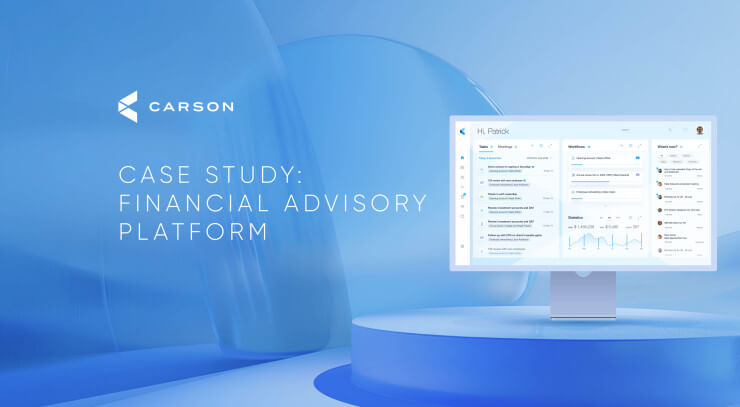
Carson UX Case Study: Crafting Purpose-Driven Platform for Financial Advisors
To ensure clients' dreams are realized through financial advisor strategies, Carson Group has created a powerful financial advisory platform and has become the frontrunner of purpose-driven financial innovations.
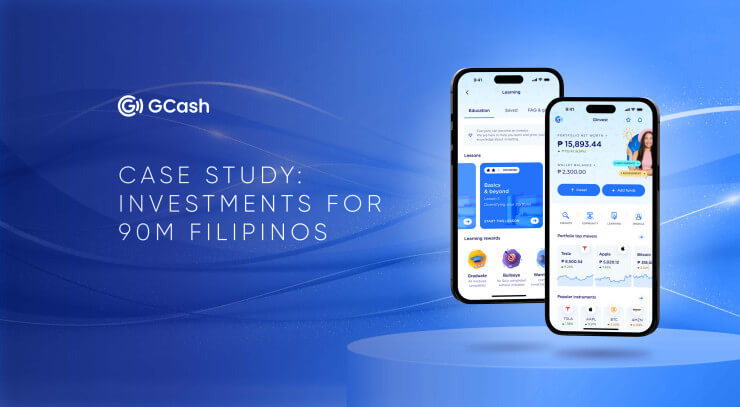
GCash UX Case Study: Democratizing Investments for 90M Filipinos
The new and improved GInvest service was aimed to provide Filipinos with an investment opportunity that previously seemed unattainable. An experience designed by UXDA is set to transform the mindset of 90 million Filipinos, showing that investing isn't only for rich and financially savvy people.

UX Audit Case Study: From Diagnostic Findings to Banking App Redesign
UXDA's UX audit helped to enhance the user experience without designing a new mobile app from scratch, saving the company resources. This article uncovers our UX/UI audit approach to evaluating the digital product and strategic intervention for maximum impact with minimal effort.



- 1
- …
- 3


