
Design Systems in Banking: Scaling UX Quality, Brand Consistency and Digital Transformation
A design system in banking is a shared framework of reusable components, design standards, interaction patterns, principles and governance that enables financial institutions to create consistent, scalable and high-quality digital experiences across products and channels. A mature banking design system is not simply a UI component library, but shared experience infrastructure connecting UX, Digital Brand Identity, technology and product development.
What Is a Design System in Banking?
A banking design system creates a shared experience language across mobile banking, web platforms, internal systems and AI-powered channels by combining reusable components, design tokens, interaction patterns, accessibility standards, principles and governance.
How Is a Design System Different From a UI Library?
A UI library provides reusable components, while a design system defines how and why those components should be used through shared principles, interaction standards, patterns and governance that help teams create coherent experiences rather than isolated interfaces.
Why Do Banks Need Design Systems?
Large financial institutions operate across hundreds or thousands of screens, teams and platforms, making design systems essential for reducing duplication, inconsistency, unnecessary rework and fragmented product decisions while improving collaboration between designers, developers and product teams.
How Do Design Systems Support Digital Brand Identity?
A banking design system should not make every product look generic—it should operationalize a distinctive Digital Brand Identity at scale by translating visual language, interaction character, content, motion, feedback and behavioral principles into reusable foundations that keep the brand recognizable across products.
How Do Design Systems Reduce Experience Debt?
Design systems help control Experience Debt by preventing duplicate components, inconsistent interaction logic and disconnected patterns from accumulating across products, because every unnecessary exception introduces additional maintenance, development effort and experience fragmentation.
How Do Design Systems Improve Banking Efficiency?
Reusable foundations can improve speed to market, development efficiency, product consistency, accessibility and experience quality by reducing repeated design and engineering work while allowing teams to focus more resources on customer problems and strategic differentiation.
What Is the Relationship Between Design Systems and UX Governance?
Design systems standardize execution, while UX governance governs experience decisions, meaning banks need clear ownership, contribution models, quality standards and continuous governance to ensure the system evolves together with products, technology, customer expectations and brand strategy.
How Do Design Systems Support Digital Transformation?
A mature design system provides scalable infrastructure for large-scale digital transformation by helping multiple teams and platforms evolve faster while maintaining coherent UX, accessibility, technical consistency and a distinctive banking experience.
Explore UXDA insights on design systems in banking, banking design systems, financial design systems, digital banking design systems, UI component libraries, design tokens, Digital Brand Identity, DesignOps, UX governance and Experience Debt.
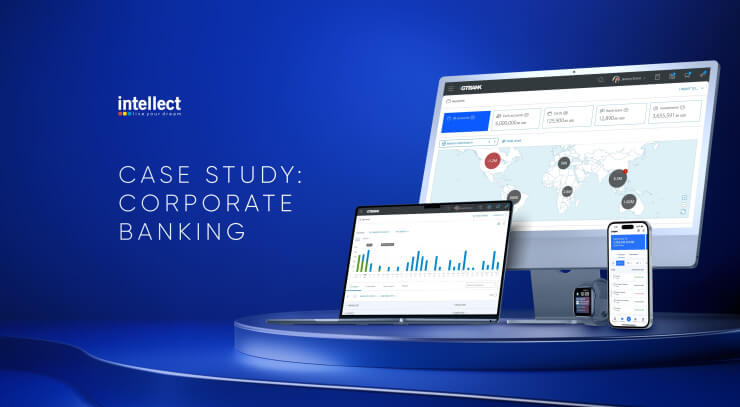


Transaction Banking UX Case Study: Transforming Treasury Management at Global Scale
In an exclusive case study we uncover the TOP insights of creating an exceptional UX for a corporate banking product by iGTB that consists of 5,000+ screens.
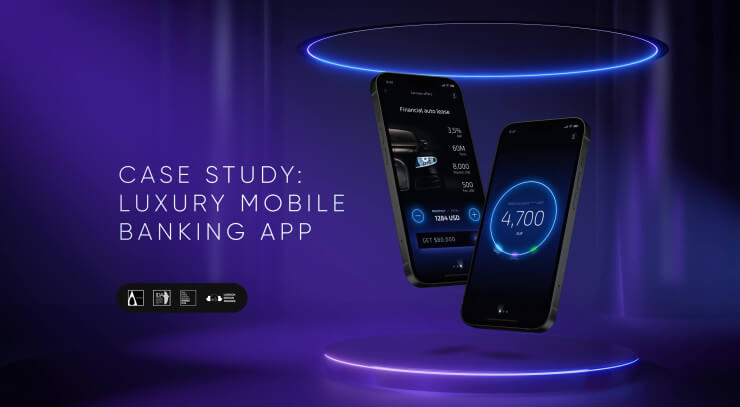

Case Study: Luxury Mobile Banking App UI Design for Emotions
The case study of multi-awarded Light Bank guides how to design the simple and beautiful luxury banking mobile app, at the same time keeping the full-scale banking functionality.


Bank of Jordan UX Case Study: Middle East Banking Redesign of Mobile UX
It took one year for the Bank of Jordan’s mobile banking app to go from a 2.8 to 4.7 star rating on Google Play. How? By teaming up with UXDA to create a comprehensive UX transformation.

UX Design Success Story: Shaping the business mentality
UXDA review by ITTI Digital for which UXDA delivered a UX transformation of a 15-year old core banking solution.

UX Design Success Story: Constant High-Quality Results
What does it feel like to work with the world's leading financial design agency? In a series of articles, we are inviting you to join the journey of our clients and explore their insights collected by Clutch about the work of UXDA.
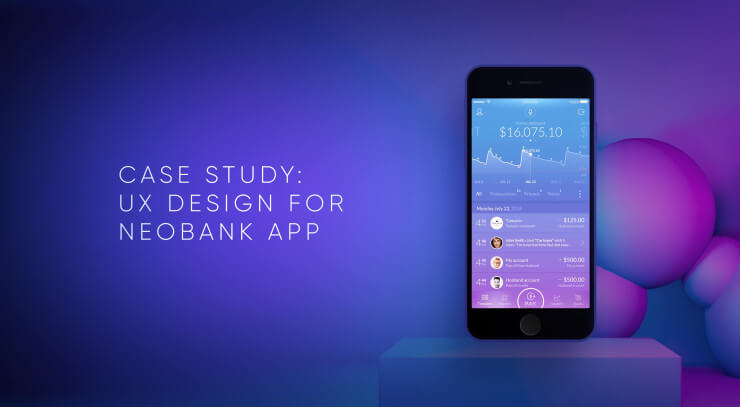
Banking App Design: 10 Latest Mobile Banking Trends
Is it possible to unite dozens of traditional banking features in a single Neobank app? The answer is “yes” if you combine cutting-edge technological innovations and banking user experience.

UX Success Story: Superb Communication and Deliverables
Looking for a way to engage your users with the best possible financial design but don't how? What does it feel like to work with the world's leading financial design agency? In a series of articles, we are inviting you to join the journey of our clients.
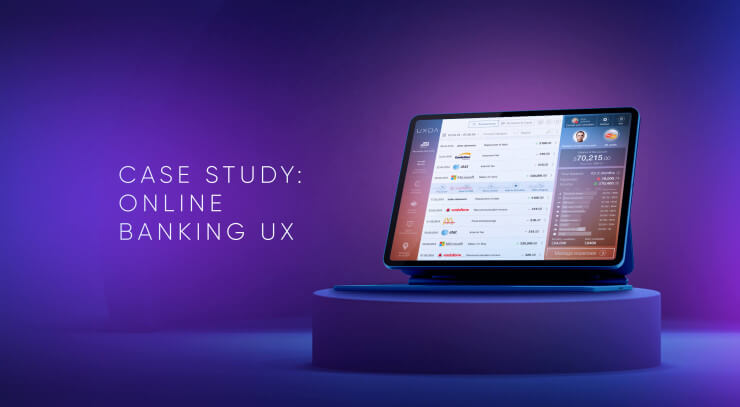
UX Case Study: Designing the User Experience of Online Banking
Legendary case study on the UXDA's vision of Future Banking has collected over 100K reads and reveals the main stages of financial UX design.
- 1
- …
- 3


