
Purpose-Driven Banking: Turning Brand Purpose Into Meaningful Customer Experience
Purpose-driven banking is an approach in which a financial institution translates its mission, values and societal role into the way it designs products, makes decisions and serves customers. It goes beyond purpose statements and ESG communication by embedding the bank’s strategic intent into everyday digital experiences, product behavior, customer support and long-term relationships.
Explore how purpose-driven banking connects brand strategy, Digital Brand Identity, customer experience, financial wellbeing, sustainability, inclusion and responsible innovation. UXDA insights cover purpose-driven financial services, banking UX, ethical banking, sustainable banking, customer trust, brand differentiation and the design principles that help financial institutions make their purpose visible through real customer value.
A bank can communicate a strong purpose and still create a Brand Gap if customers do not experience that promise in its products and services. If a bank claims to support financial wellbeing but promotes confusing products, or positions itself around sustainability while its digital experience provides no meaningful way for customers to act on those values, purpose remains marketing rather than experience.
Strong purpose-driven banking therefore requires alignment between what the bank says, what it offers and how it behaves. Product propositions, financial guidance, pricing transparency, communication, service recovery, accessibility and digital interactions should consistently reinforce the institution’s values.
As banking products and technologies become increasingly similar, purpose can also become a source of meaningful differentiation—but only when it is translated into a distinctive Digital Brand Identity and coherent experience. Customers need to feel the institution’s purpose through the way the bank helps them achieve financial goals, make informed decisions and interact with money.
For financial institutions, purpose-driven banking can strengthen customer trust, loyalty, brand relevance, employee alignment and long-term competitive advantage by turning abstract brand values into concrete experiences customers can recognize and believe in.
Check out the best UXDA articles about purpose-driven banking.
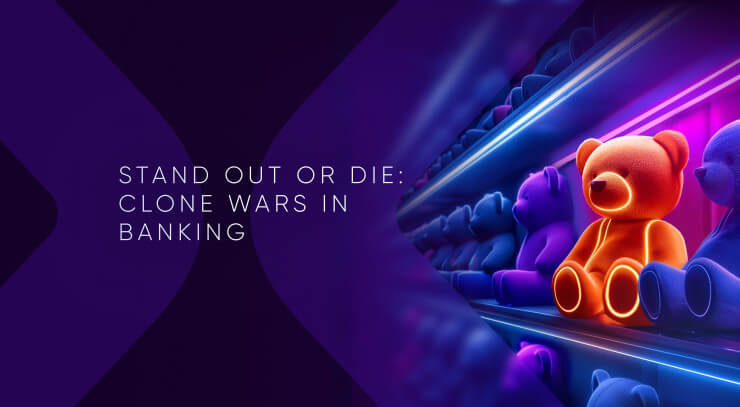


Digital Banking Clone Wars: Why Banking Apps Look the Same and How to Stand Out
In a world where most banking apps look and feel the same, “safe design” has quietly become the fastest path to irrelevance. This article explores why copy-paste interfaces are killing emotional connection with customers — and how banks can break out of the clone trap by designing digital experiences that create real differentiation, loyalty and brand value.

Digital Banking Competitive Advantage: Why Customer Experience Beats Feature Parity
Financial brands have long competed on speed, safety, and features—but real loyalty comes from emotion, not functionality. As expectations shift from efficiency to feeling, the winners will be those who design relationships, not just interfaces. This article shares 10 principles to turn financial apps into emotionally engaging growth engines.

Emotionally Intelligent UX as a Growth Lever in Digital Banking
This article highlights the emotional trust gap in digital banking, revealing that speed and convenience alone aren’t enough. To build loyalty, financial brands must prioritize empathy, transparency, and human-centric UX that fosters confidence and connection.
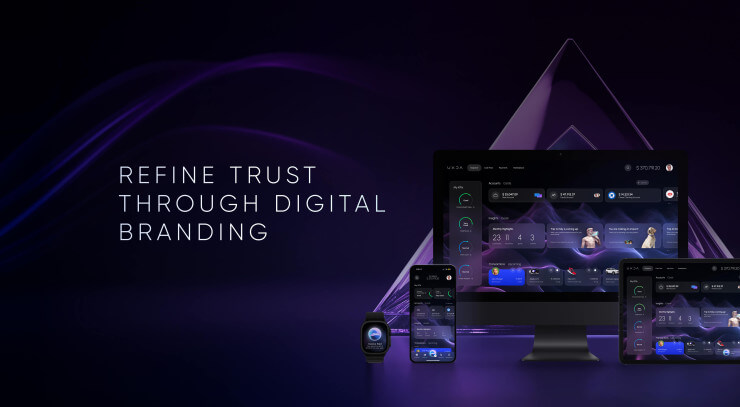

Digital Experience Governance in Banking: How Consistency Rebuilds Customer Trust
As financial services become increasingly sophisticated, customers demand not only security but transparency and reliability—making trust the ultimate driver of success and resilience.





The Rise of “Dopamine Banking”: How Fintechs and Neobanks Are Redefining the Customer Experience
Fintech disruptors and neobanks are transforming finance with “Dopamine Banking”—where flashy visuals, gamified challenges, and social interactivity turn every tap into a rewarding experience. This blend of emotions and entertainment is reshaping how we view financial services.
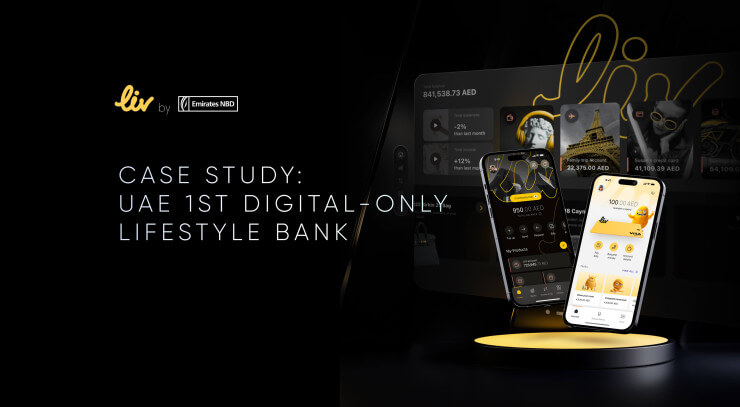
Liv Bank Case Study: Building a Distinctive Digital Brand Identity for Lifestyle Banking in MENA
Through a strategic and forward-thinking UX approach, we expanded the Liv ecosystem to three groundbreaking solutions: the Liv X app for seamless lifestyle and financial management, an immersive spatial banking experience for enriched user engagement and the Liv Lite app to empower children's financial education.
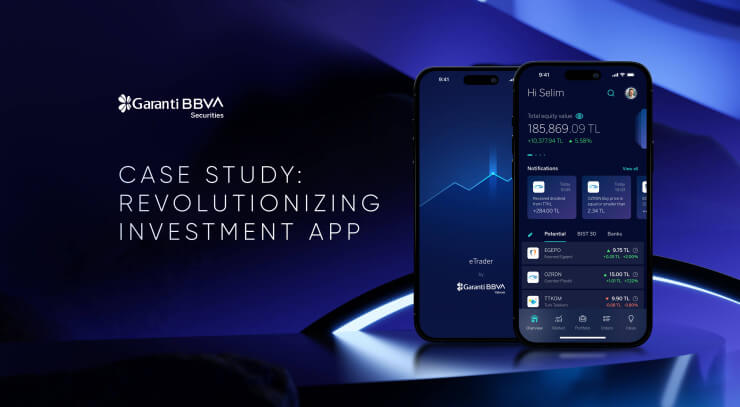
Garanti BBVA Securities Case Study: Designing a World-Class Investing Experience
Garanti BBVA Securities aimed to move beyond third-party solutions by setting a new standard for investment experience in the Turkish market. The challenge was to transform eTrader into a highly personalized, user-centered app that delivers outstanding digital experience.

Why Banking Digital Transformation Fails Without Digital Brand Identity
The most successful transformations in banking are not those that simply leverage technology, but those that seamlessly integrate powerful digital branding to create an emotional connection with customers.

UX Case Study: a Bugatti-Caliber Experience for UHNWIs with $200 Billion in Assets
Private Wealth Systems aimed to revolutionize wealth management by delivering a user-friendly and visually stunning solution that meets the luxurious needs of multi-millionaires. Delve deeper to understand how UXDA partnered with Private Wealth Systems to facilitate a fundamental shift in wealth management.

What Digital Excellence Requires in Financial Services Beyond Good UX
This article delves into the tension between the urgent need for next-gen, customer-centered financial products and the significant hurdles financial brands must overcome to deliver them and achieve digital excellence.

The $23B Cost of Sales-Driven Mindset in Retail Banking
We highlight the differences between thinking in a “new way” versus “the old one.” These differences can explain why some products are successful in the modern digital environment while others are not.
- 1
- …
- 3


