
Core Banking Design: How Better Back-Office UX Reduces Operational Losses
Core banking design is the UX design of internal banking and back-office systems that helps employees perform complex financial operations faster, more accurately and with less cognitive effort. Well-designed core banking systems reduce the learning curve, prevent avoidable human errors and improve operational efficiency by making complex workflows clearer, safer and easier to execute.
What Is Core Banking Design?
Core banking design focuses on the UX of internal banking systems, back-office platforms and enterprise financial software used by employees to manage payments, servicing, lending, compliance, approvals, customer support and other operational processes.
Why Is Back-Office UX Important in Banking?
The UX of internal banking systems has a direct impact on operational performance because complex, fragmented and unintuitive interfaces slow employees down, increase cognitive load and create more opportunities for mistakes across high-volume financial operations.
How Does Poor Core Banking UX Create Operational Losses?
Poorly designed internal systems can increase training time, processing delays, duplicated work, support dependency and human error, while mistakes in complex financial operations can lead to incorrect transactions, compliance issues, financial losses and higher operational risk.
How Can Better Core Banking Design Reduce Human Error?
Effective core banking design uses clear information architecture, contextual guidance, intelligent defaults, validation, error prevention and streamlined workflows to help employees identify critical information, understand what requires attention and complete actions correctly.
How Does Core Banking UX Improve Employee Experience?
Better back-office UX reduces cognitive effort and makes complex tasks easier to understand, helping employees work with greater confidence, consistency and efficiency while shortening the learning curve for new or less experienced users.
How Can Back-Office UX Improve Banking Efficiency?
Improving internal banking UX can reduce employee onboarding time, operational errors, processing time, support dependency and cost-to-serve, while increasing productivity, process quality and operational resilience across the organization.
Why Is Core Banking Design More Than a Cosmetic Upgrade?
Improving employee experience is an operational efficiency and risk-reduction initiative, because the quality of internal interfaces directly affects how accurately, quickly and consistently employees execute critical financial processes.
Explore UXDA insights on core banking design, back-office UX, core banking systems, enterprise UX, employee experience, banking software design, workflow optimization, complex financial interfaces and operational efficiency.
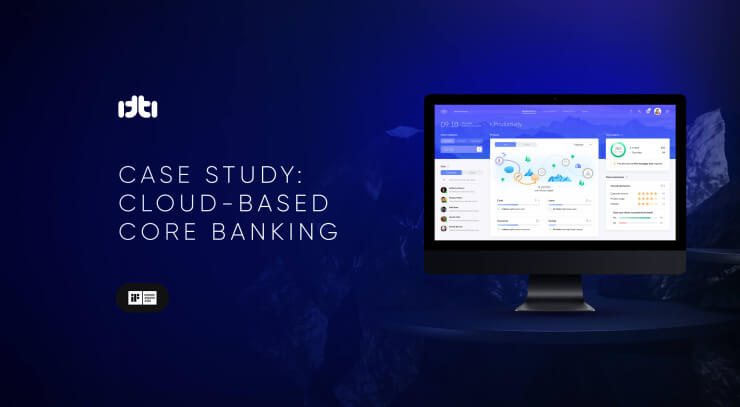


ITTI UX Case Study: Next-Gen Core Banking Digital Transformation in the Cloud
With ITTI Digital’s permission, we are sharing an exclusive step-by-step case study on designing a next-generation banking back office that will definitely become a game changer in the industry.
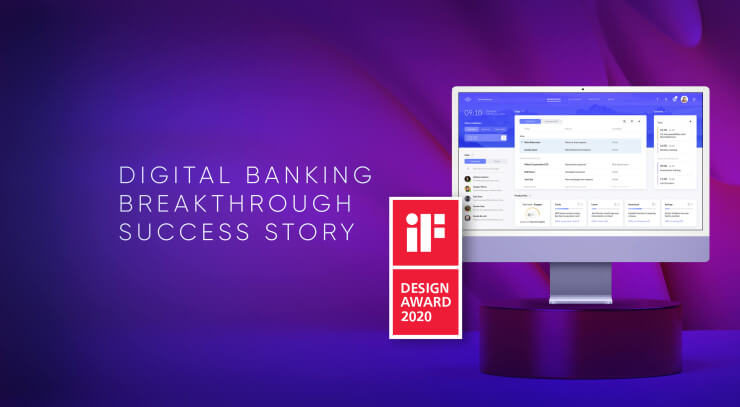
Digital Banking Breakthrough Success Story: From Outdated to Award-winning Core Banking
For anyone who knows how the banking back-office system looks like it would be a surprise that something of such complexity can win the Academy award of design - the IF design award. There’s a story behind every grand victory and we want to share it with you today.


UX Design Success Story: Shaping the business mentality
UXDA review by ITTI Digital for which UXDA delivered a UX transformation of a 15-year old core banking solution.

UX Design Success Story: Constant High-Quality Results
What does it feel like to work with the world's leading financial design agency? In a series of articles, we are inviting you to join the journey of our clients and explore their insights collected by Clutch about the work of UXDA.
Core Banking UI Design That Will Change The Perception Of Service Design
Following the success of our article about banking back-office flaws, UXDA dared our team to create never-before-seen banking back-office financial UX designs that would clear a path to a different approach.

Legacy Banking Systems: How Poor Back-Office UX Can Trigger $900 Million Mistake
Out of date back-office systems hold banks back from digitizing and providing the best user experience. We collected a number of real-life cases that demonstrate the dramatic impact inner culture has on customers.

How to Choose the Best Banking Software Vendors in Terms of UX
The digitalisation of the banking industry is rising, especially due to ready-to-use digital banking solutions provided by IT vendors. But are these solutions really best for their users? What threats can appear for the financial industry in the future...

UXDA Delivers Design for Best Digital Banking Platform Vendors
UXDA team is happy to see our partners between TOP11 global banking software vendors and is grateful for the opportunity to reinvent financial industry through customer-centered financial design.


